
Description
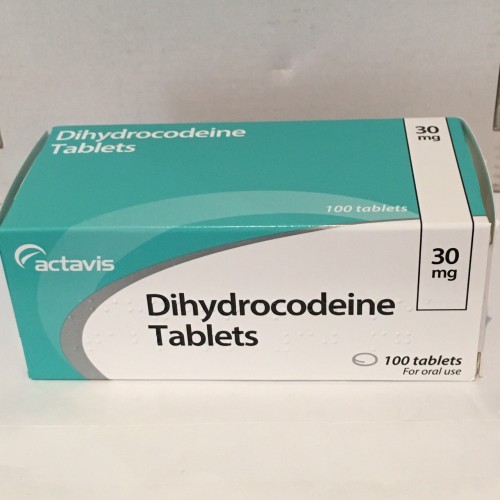
Dihydrocodeine 28 mg
Dihydrocodeine is a pain medication that belongs to the opioid class. If commonly prescribed to treat moderate to severe pain. The medication is available in the form of tablets and capsules.
Uses
It can be for a variety of conditions, including:
1. Moderate to severe pain: Dihydrocodeine is often prescribed for conditions that cause severe pain, such as arthritis, backache, or kidney stones.
2. Chronic pain: Chronic pain that lasts for an extended period of time, such as fibromyalgia or neuropathic pain, can be treated with dihydrocodeine.
3. Post-operative pain: Dihydrocodeine can be prescribed to help manage pain after surgery.
Dosage and Administration
The recommended dose of dihydrocodeine varies from person to person, depending on the severity of their pain and their medical condition. It is important to follow the instructions provided by your healthcare provider.
Note: Dihydrocodeine is a controlled substance and may be subject to legal regulations and restrictions. It is important to follow all guidelines and consult with a healthcare professional if you have any questions.
Side Effects
Like any other medication, dihydrocodeine can cause side effects. Some common side effects may include:
– Constipation
– Nausea and vomiting
– Dizziness
– Fatigue
– Dry mouth
– Sweating
– Nervousness
If you experience any severe or persistent side effects, it is important to contact your healthcare provider for further evaluation and guidance.
Warnings and Precautions
Before taking dihydrocodeine, it is important to be aware of the following warnings and precautions:
– Addiction risk: Dihydrocodeine can be addictive, especially if you have been using it long-term or in high doses. It is important to use it exactly as prescribed and to discuss any concerns with your healthcare provider.
– Severe breathing problems: Dihydrocodeine can cause shallow breathing. If you experience shortness of breath, dizziness, or difficulty breathing, seek immediate medical attention.
– Congenital or acquired long QT syndrome: Dihydrocodeine can cause a prolonged QT interval, which can lead to irregular heartbeat and serious heart rhythm problems. If you have this condition or are at risk, discuss the use of dihydrocodeine with your healthcare provider.
– Geriatric use: Dihydrocodeine should be with caution in older adults, as they may metabolize the medication more slowly and may be more susceptible to side effects.
Conclusion
Dihydrocodeine is a pain medication that belongs to the opioid class and is prescribed for moderate to severe pain. It is commonly for conditions such as chronic and post-operative pain. Always follow the instructions provided by your healthcare provider and be aware of the potential side effects.








Zander –
I rarely leave a comment, but this item is beyond worth it! Gotta let you guys know!
Jessie –
Great item! It provides too many things compared to its price charged.
Vaughn –
I think this is amazing. Lots of features and customizable from every point of view. The few times I asked for help in support they were competent, fast and above all very patient. Really recommend
Javon –
Been using it for a while, I usually don’t write a review but this time I am truly convinced to write.
Joesph –
I received a personalized and attentive treatment. Thanks to this deal, I was able to find a solution to my problem in a short time. 🙂
Gregg –
I like this item and also the customer service of them.
Ryann –
The item and the design are very cool. Also the support is amazing, they always help you with any detail that you have.
Brianne –
Wished I had found this sooner, it took me a lot of money and time until I found my dream product here!
Martin –
It’s far better than those similar products, while the price is still acceptable.
Devyn –
This is the best support for a product I had so far, they reply quickly and solve themselves the problems most of the time. Kudos guyz